Nutrition
Homemade electrolyte drink: a simple recipe, and when you need one
By Kim Ingwersen · Published 16 November 2026
Electrolyte drinks are everywhere, but you can make a perfectly good one at home with salt, water and a splash of juice. The more useful question is whether you need one at all. Here is a simple recipe, when it helps, and when water and a normal meal are enough.
The recipe
For a long session, mix:
- 500 ml to 1 litre of water
- a quarter of a teaspoon of salt (about 1.5 g of salt, or roughly 600 mg of sodium)
- a splash of fruit juice for flavour and a little carbohydrate
That is a starting point, not a precise formula. Salt is sodium chloride, and one gram of salt contains about 400 mg of sodium. Potassium, magnesium and calcium come from food rather than the salt shaker, which is why many shop-bought products mix several minerals. If you want more than sodium, eat potassium-rich food such as bananas, beans, nuts, fish and vegetables like broccoli and parsnips (NHS).
Do you need it?
Electrolytes are minerals such as sodium, potassium, chloride, magnesium and calcium. They control where water goes in the body, carry signals in the nerves and make muscles contract, including the heart. The kidneys keep levels in the blood steady: if you take in too much sodium, they excrete more.
Most people get more than enough sodium from food. Germany’s nutrition society, for example, says a sodium deficiency from low intake is not known and is not to be expected in industrialised countries, because most of us eat too much salt (DGE). So an ordinary day does not call for an electrolyte drink. A high sodium intake raises the risk of high blood pressure (DGE). If you have kidney disease or heart failure, or take blood pressure medicine, talk to your doctor before taking electrolytes regularly.
When a drink makes sense
Long, sweaty sessions
Sweat is mostly water, but it also contains sodium. In a large review of 1,303 athletes, endurance athletes sweated about 1.3 litres an hour on average and lost about 1.2 g of sodium an hour (Barnes et al., 2019). How much you sweat and how salty it is vary a lot from person to person (Baker, 2017).
The American College of Sports Medicine says that beverages containing electrolytes and carbohydrate can provide benefits over water alone under certain circumstances, and that you can estimate your own sweat rate by weighing yourself before and after exercise (Sawka et al., 2007). Each kilogram you lose is roughly a litre of sweat. After a normal one-hour workout, water and a meal are enough for most people.
Sauna
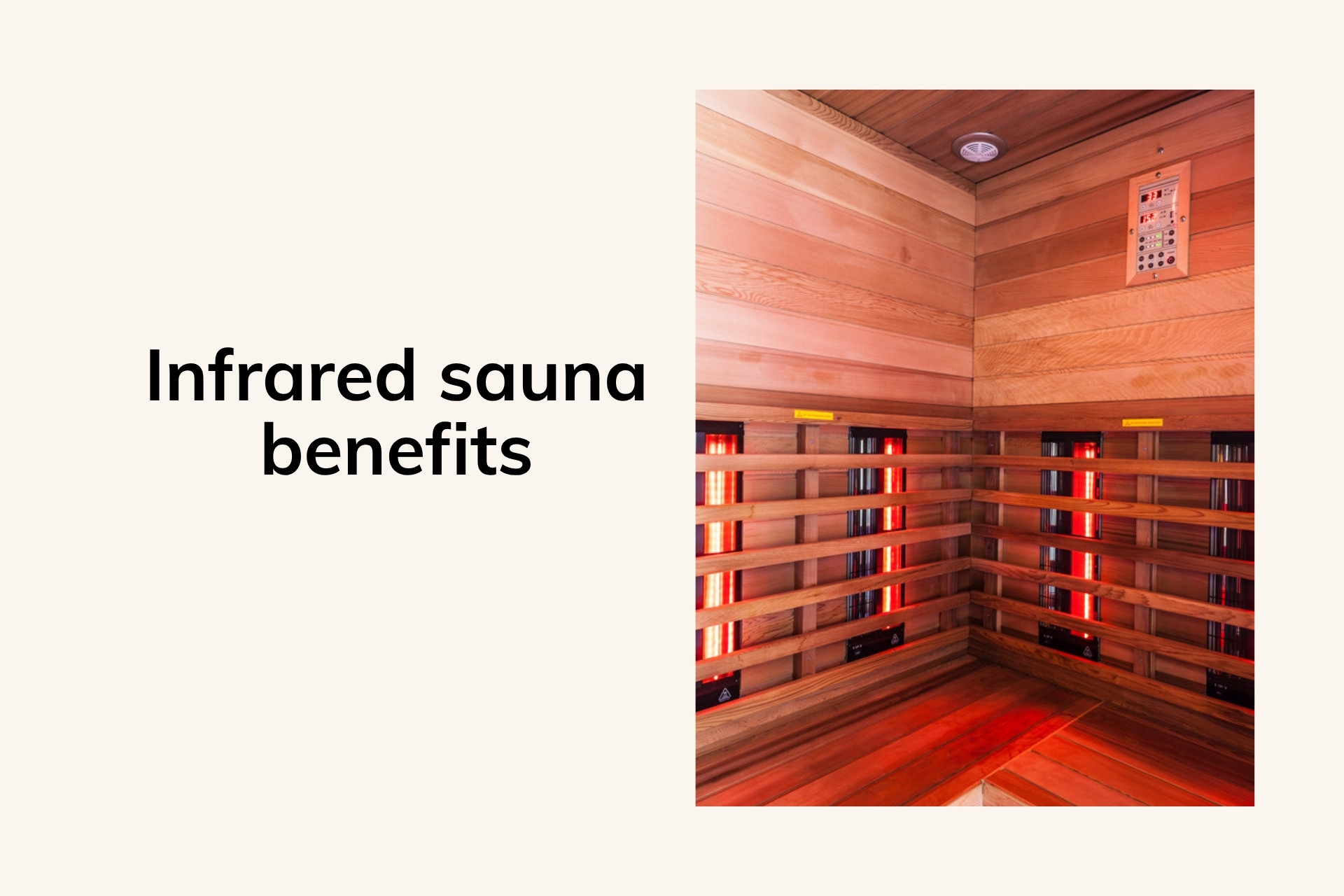
You sweat a lot in a sauna, especially over several rounds. For most people a couple of glasses of water and a normal meal afterwards is enough. Drink water between rounds and keep alcohol for later: alcohol in the sauna increases the risk of low blood pressure and heart rhythm problems (Hannuksela and Ellahham, 2001).
Vomiting and diarrhoea
If you are being sick or have diarrhoea and are losing too much fluid, you need to put back the sugar, salts and minerals you have lost. The NHS says a pharmacist can recommend oral rehydration solutions, which are powders you mix with water, and to start with small sips if you feel sick (NHS: dehydration). Ask for urgent advice if you feel dizzy when you stand up and it does not go away, if you pee less than normal, or if you cannot keep fluids down. A homemade salt drink is not a substitute for a proper rehydration powder here.
What electrolytes do not do
Cramps. It is a common belief that cramps come from too little salt. In a study of 72 ultra-distance runners, researchers found no important differences in blood electrolytes or hydration between runners with and without cramps (Schwellnus et al., 2004). In a later study, runners who had had cramps before and those who ran fastest in the first half of the race were the ones who got them (Schwellnus et al., 2011). Tired muscles look like a better explanation than salt.
Protection from over-drinking. Low blood sodium during exercise (hyponatraemia) can be life-threatening in the worst cases. The usual cause is not too little salt, but drinking more than thirst calls for, and sports drinks containing sodium do not protect you if you drink too much (Hew-Butler et al., 2017). On long runs and rides, drink to thirst rather than to a fixed plan. Electrolytes in the bottle are no reason to drink more.
Fasting and low-carb
Many people who start intermittent fasting or a low-carbohydrate diet feel sluggish and get headaches in the first days, and a common tip among people who follow them is to add a little extra salt to food. This has not been well studied, so treat it as something to try, not a sure fix.
The bottom line
A quarter of a teaspoon of salt in half a litre to a litre of water with a splash of juice is a fair homemade drink for a long, sweaty session. For a normal workout, a sauna or an ordinary day, water and food are enough, and on long efforts it is more important to drink to thirst than to add salt. If you are sick with vomiting or diarrhoea, ask a pharmacist for oral rehydration powder.
Sources
- NHS: Vitamins and minerals, potassium
- NHS: Dehydration
- DGE: Selected questions and answers on sodium
- Barnes KA et al. (2019): Normative data for sweating rate, sweat sodium concentration, and sweat sodium loss in athletes: An update and analysis by sport, Journal of Sports Sciences
- Baker (2017): Sweating rate and sweat sodium concentration in athletes, Sports Medicine
- Sawka et al. (2007): American College of Sports Medicine position stand. Exercise and fluid replacement, Medicine & Science in Sports & Exercise
- Hannuksela and Ellahham (2001): Benefits and risks of sauna bathing, American Journal of Medicine
- Schwellnus et al. (2004): Serum electrolyte concentrations and hydration status are not associated with exercise associated muscle cramping, British Journal of Sports Medicine
- Schwellnus et al. (2011): Increased running speed and pre-race muscle damage as risk factors for exercise-associated muscle cramps, British Journal of Sports Medicine
- Hew-Butler T et al. (2017): Exercise-Associated Hyponatremia: 2017 Update, Frontiers in Medicine
Frequently asked questions
How do I make a homemade electrolyte drink?
Stir a quarter of a teaspoon of salt (about 1.5 g, which is roughly 600 mg of sodium) into half a litre to a litre of water, and add a splash of fruit juice for flavour and a little carbohydrate. That is a starting point for a long session, not a precise formula.
When do I actually need electrolytes?
During long sessions with a lot of sweating, especially in heat. A review of 1,303 athletes found endurance athletes sweated about 1.3 litres an hour and lost about 1.2 g of sodium an hour on average, with large differences between people. After a normal one-hour workout, water and a meal are enough for most people.
Do electrolytes stop cramps?
The evidence is weak. In a study of 72 ultra-distance runners there were no important differences in blood electrolytes or hydration between those who got cramps and those who did not. Tired muscles seem a better explanation than a lack of salt.
Can you drink too much while exercising?
Yes. Low blood sodium during exercise (hyponatraemia) can be dangerous, and the usual cause is drinking more than thirst calls for, not too little salt. Sports drinks do not protect you if you drink too much, so drink to thirst on long runs and rides.
What should I take for vomiting or diarrhoea?
The NHS says to drink plenty of fluids, in small sips if you feel sick, and that a pharmacist can recommend oral rehydration powder that you mix with water. Ask for urgent advice if you still show signs of dehydration or cannot keep fluids down.