Basics
What is biohacking? A simple guide for beginners
By Kim Ingwersen · 6 October 2026
Biohacking can sound like science fiction: chips under the skin, gene editing, people trying to live forever. In practice it’s much more down to earth. Most biohackers spend their time on sleep, light, exercise, food, heat and cold. Here is what biohacking means, where it came from, and how to start.
Biohacking, simply explained
Biohacking means taking an active role in your own health. You make small, deliberate changes to your lifestyle, and you pay attention to whether they work. Some people track it with a smartwatch or blood tests. Others just notice that they sleep better or have more energy.
The goal is not to become a superhuman. It’s to feel better, perform better and stay healthy for longer, using what science says works.
Where biohacking came from
The word grew popular in the early 2000s, especially in tech circles in Silicon Valley. People who were used to optimising software started applying the same thinking to their own bodies: test, measure, adjust.
Some of the people who made biohacking known:
- Dave Asprey: founder of Bulletproof and the person who did most to popularise the word “biohacking”.
- Tim Ferriss: author and podcaster who tests ways to improve sleep, fitness and learning.
- Wim Hof: “The Iceman”, known for cold exposure and breathing exercises.
- Jessie Inchauspé: biochemist known as the Glucose Goddess, who writes about blood sugar and food.
- Ben Greenfield: author and coach who experiments with methods for physical and mental performance.
The most common biohacking methods
Most biohacks are free habits. Technology and supplements come later, if you want to go further.
Light
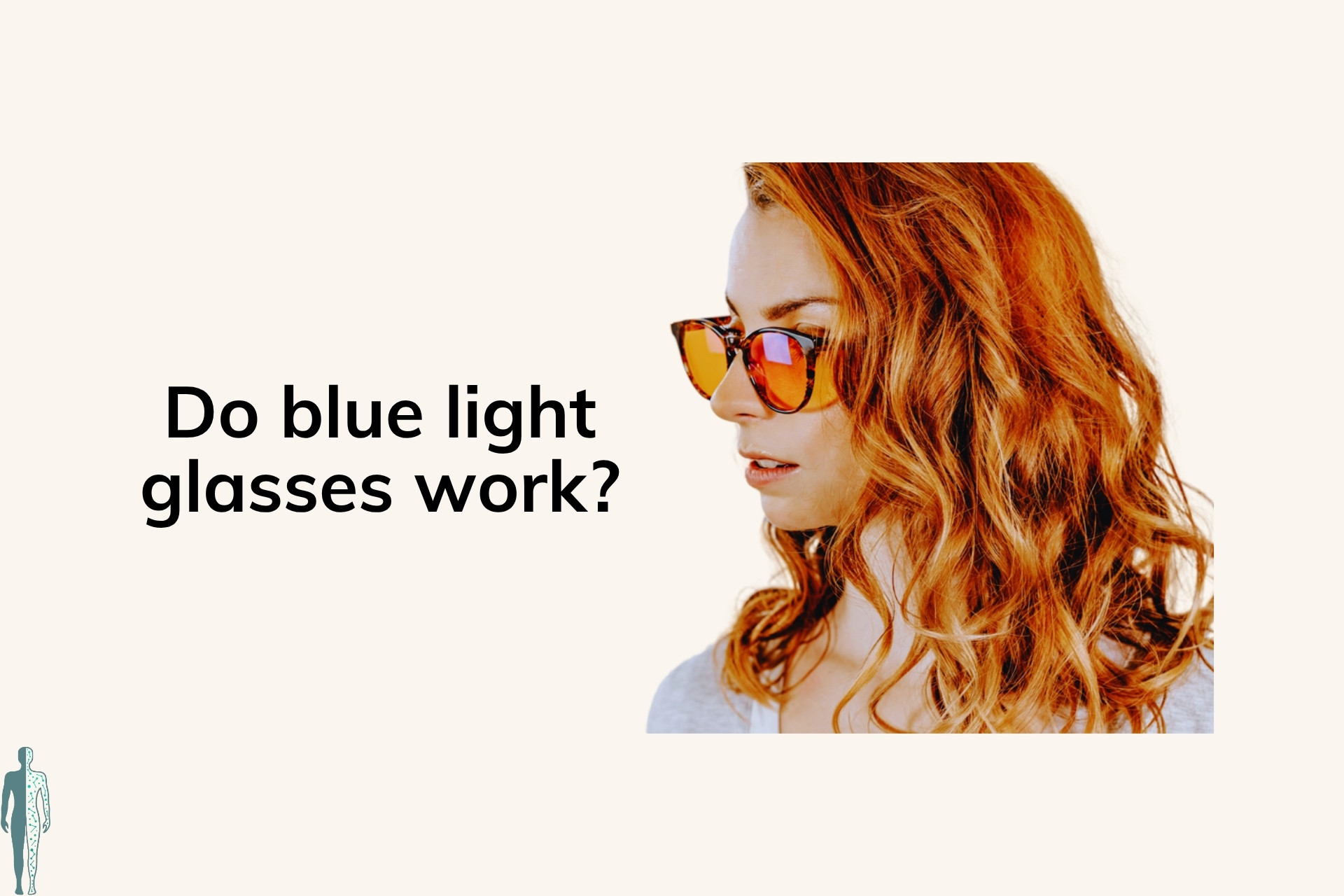
Daylight early in the day sets your internal clock and makes it easier to fall asleep at night. In the evening, many people dim the lights or wear blue light glasses, because bright light from screens can delay sleep.
Sleep
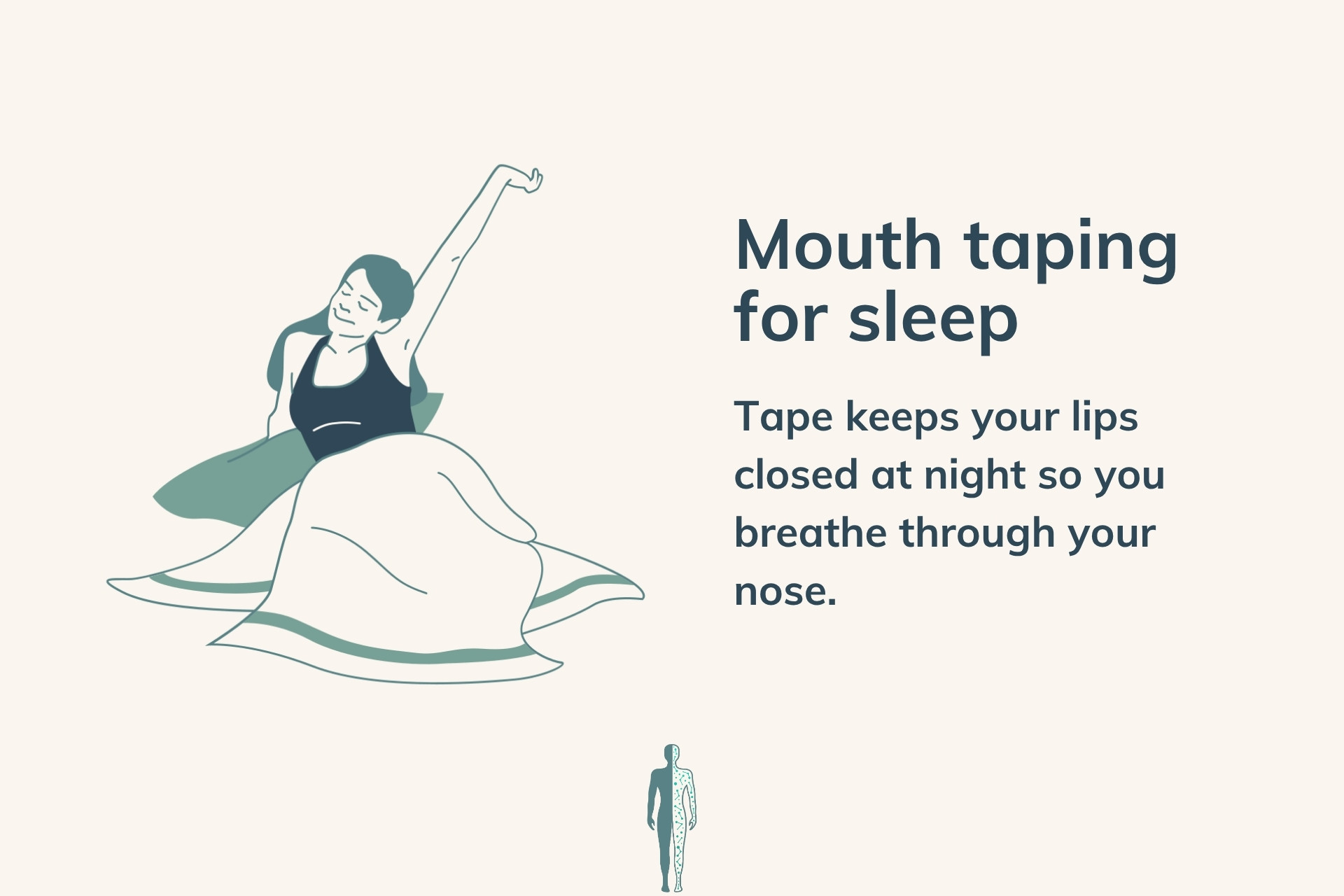
Fixed times and a dark, cool and quiet bedroom are the foundation. Adults need at least seven hours a night (Watson et al., 2015). Some people also try mouth taping to breathe through the nose at night.
Heat and cold
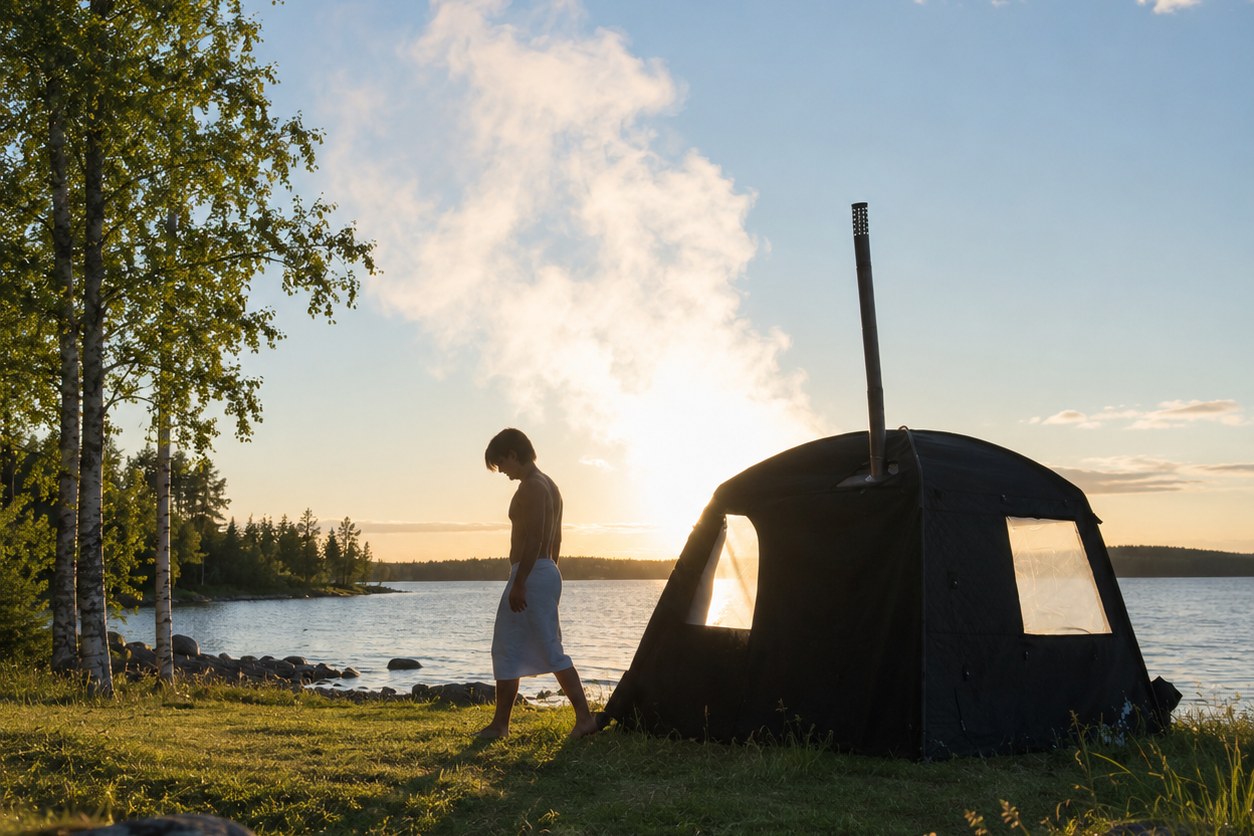
Regular sauna use is linked to better heart health in large Finnish studies. See sauna benefits and infrared sauna benefits. Cold showers and cold plunges train your stress response and give a strong boost in alertness. If you don’t have a sauna nearby, a wood-fired sauna tent is one option.
Food
Mostly whole, unprocessed food, enough protein, and vegetables or fibre first in the meal for steadier blood sugar. Some also use intermittent fasting.
Breathing and stress
Slow breathing techniques, the Wim Hof method, meditation and time in nature are used to lower stress and calm the nervous system.
Exercise
Strength training and cardio are the best-documented tools for a long, healthy life. The WHO recommends 150–300 minutes of moderate activity a week, plus strength training at least twice a week (Bull et al., 2020). Very active people also have a lower biological age.
Measuring and supplements
Smartwatches, sleep trackers and blood tests show whether what you do is working. Measure first, and take supplements when you know what you need.
Where to start
Pick one thing, not ten. A good order for most people:
- Get daylight in the morning, ideally outside, for 10–20 minutes.
- Go to bed and get up at the same time, also at weekends.
- Move every day, and do strength training twice a week.
- End your shower with 30 seconds of cold water.
- Dim the lights in the evening and put the phone away an hour before bed.
When one habit sticks, add the next.
The downsides of biohacking
Not every biohack is backed by science, and some can be harmful if done wrong. Extreme fasting, unregulated supplements and high-dose experiments carry real risks. There’s also a lot of marketing dressed up as science.
A good rule: the more a product promises, the more sceptical you should be. Check the sources, start with the free basics, and talk to a doctor if you have a health condition or take medication.
Sources
- Watson NF et al. (2015): Recommended amount of sleep for a healthy adult: a joint consensus statement of the American Academy of Sleep Medicine and Sleep Research Society. Sleep
- Bull FC et al. (2020): World Health Organization 2020 guidelines on physical activity and sedentary behaviour. British Journal of Sports Medicine
Frequently asked questions
What is biohacking in simple terms?
Biohacking is taking an active role in your own health: you try a change, like getting morning light or taking a sauna, and see if it makes you sleep, feel or perform better.
Is biohacking safe?
The basics, like sleep, light, exercise and diet, are safe and well documented. Some extreme methods are not. Check the evidence, start small and talk to a doctor before trying anything risky or if you have a health condition.
Is biohacking expensive?
No. The methods with the best evidence are free: daylight, sleep, exercise, cold showers and breathing. Wearables, saunas and supplements are optional extras.
Who started biohacking?
The term grew popular in the 2000s, especially in Silicon Valley. Dave Asprey, founder of Bulletproof, did more than anyone to make it known, along with people like Tim Ferriss, Wim Hof and Ben Greenfield.