Cold
Cold plunge benefits: what an ice bath does to your body
By Kim Ingwersen · 6 October 2026
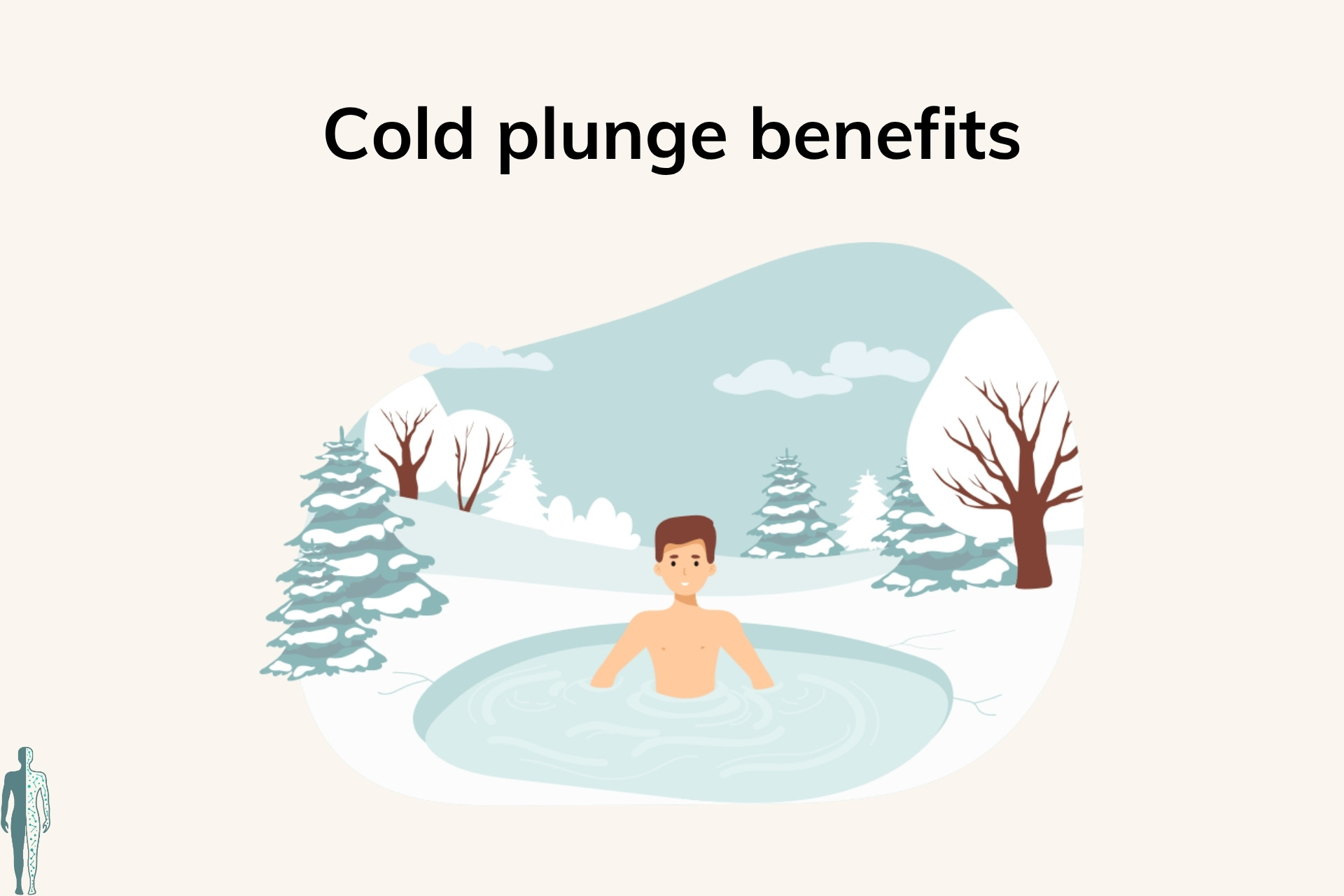
You have probably seen them: people who climb into ice water in the middle of winter with a smile on their face. Cold plunges have gone from Nordic tradition to a daily habit for athletes and biohackers. Here is what actually happens in your body, what the research supports, and how to start safely.
What happens when you get into cold water
The first seconds are intense. Your heart races, your breathing becomes short and sharp, and your whole body wants out. This is the cold shock response, and it’s normal.
When your skin senses extreme cold, your body releases a surge of stress hormones. Noradrenaline and adrenaline flood your blood, the blood vessels in your skin tighten, and blood is pushed towards your vital organs.
With regular exposure, your body adapts. What started as pure panic gradually becomes more controllable. Your breathing settles faster, and the plunge starts to feel good rather than frightening.
5 benefits of a cold plunge
1. Better mood and alertness
In a Czech study, people immersed in 14 °C (57 °F) water had a 530% rise in noradrenaline in their blood (Šrámek et al., 2000). Noradrenaline plays a central role in focus, attention and mood. That explains the energy boost most people feel after a cold plunge, which can last for hours.
2. Fewer sick days
In a Dutch trial, 3,018 adults were told to end their daily shower with 30, 60 or 90 seconds of cold water for a month. Compared with the control group, they had 29% less sickness absence from work. They didn’t have fewer days of illness, though, so they may simply have felt well enough to work when they were mildly ill (Buijze et al., 2016).
3. More brown fat
Brown fat burns energy to produce heat. In a Dutch study, ten days of mild cold exposure increased brown fat activity in people with obesity (Hanssen et al., 2016). The effect on body weight is small, but it shows that the body adapts to cold.
4. Better blood sugar control
In another study by the same group, ten days of mild cold exposure improved insulin sensitivity by about 43% in eight people with type 2 diabetes (Hanssen et al., 2015). The participants were in a cold room, not a plunge, but it points to how cold affects metabolism.
5. Less soreness after endurance training
Many athletes use cold water after hard sessions to feel less sore. This works best after endurance training and competitions. After strength training, it comes with a catch (see below).
What the research doesn’t show
A review from the Arctic University of Norway looked at 104 studies on cold water immersion. Many found clear effects on the body, but most studies were small, often included only men, and used very different water temperatures. The authors concluded that cold water can reduce or change body fat and may have other benefits, but that much is still uncertain (Esperland et al., 2022).
Cold plunge and muscle growth
If building muscle is your goal, don’t plunge right after strength training. In a 12-week study, men who sat in cold water for 10 minutes after each strength session gained less muscle and strength than men who did an active cool-down instead (Roberts et al., 2015). The cold seems to dampen the signals that build muscle.
The fix is simple: plunge in the morning, on rest days, or at least a few hours after lifting.
The risks
Cold water is not without danger, and this is often played down on social media.
- Cold shock: the sudden gasp and hyperventilation can make you lose control of your breathing. In open water, this can lead to drowning, even for good swimmers.
- Heart strain: blood pressure and heart rate jump. People with heart disease should talk to a doctor first.
- Asthma: cold air and water can trigger symptoms.
- Hypothermia: stay too long and your body temperature drops. Get out before you start shivering hard.
And never go into cold water alone.
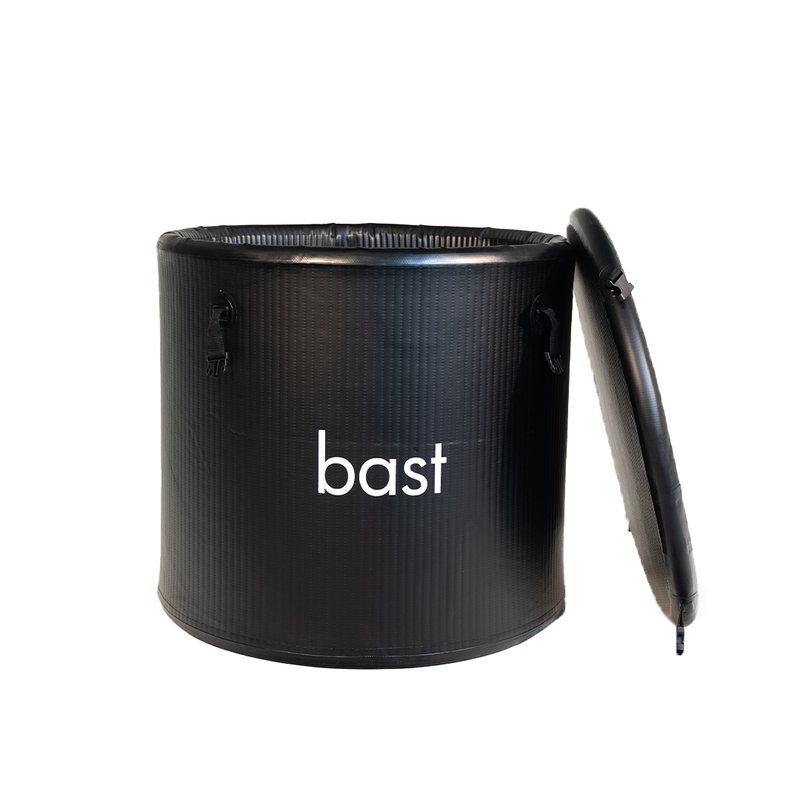
Cold water at home, all year
Frost ice bath from Bast
An ice bath for the garden or terrace, so you can plunge at home without waiting for winter. Free shipping in Europe and a 100-day satisfaction guarantee.
See the ice bath at Bast →Ad. We may earn a commission if you buy, at no extra cost to you.
How to start
The key is to build up gradually.
- Start with cold showers. End your normal shower with 30 seconds of cold water. Do it for a week, then go to one minute, then two.
- Breathe slowly. Long, calm breaths out are more important than how long you stay in. Some people practise breathing techniques first, like 4-7-8 breathing.
- Keep it short. 30 seconds to one minute is plenty for your first plunges. It’s not a competition.
- Start outdoors in autumn if you swim in a lake or the sea. The water cools slowly, and you get months to adapt before it gets really cold.
- Warm up slowly afterwards. Dry off, put on warm clothes, drink something hot and move around. Your body is good at warming itself if you give it time.
When to plunge
A cold plunge in the morning gives you an energy boost for the rest of the day. Avoid it late in the evening, because the alertness can make it harder to fall asleep.
Heat and cold
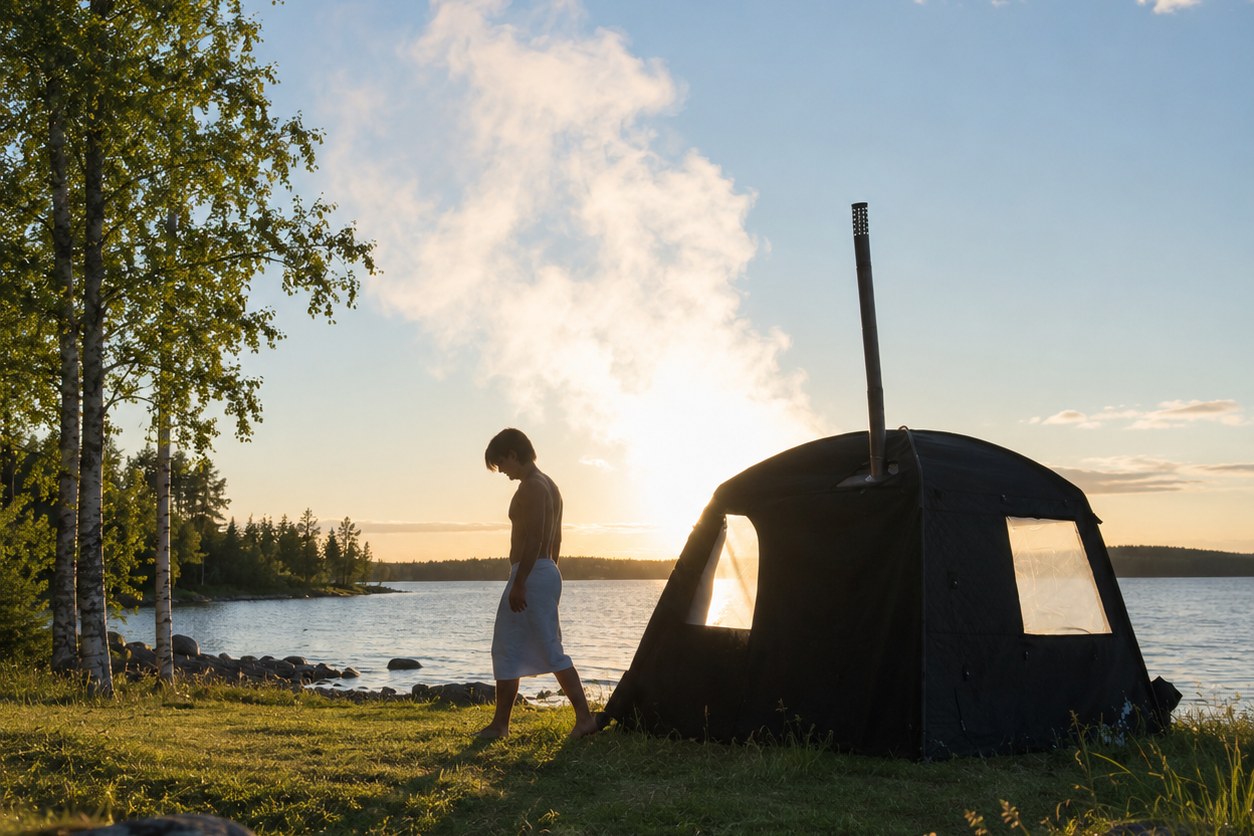
Many people alternate between a sauna and a cold plunge. Read more about sauna benefits, or see how a sauna tent gives you a wood-fired sauna by the water.
Sources
- Šrámek P et al. (2000): Human physiological responses to immersion into water of different temperatures. European Journal of Applied Physiology
- Buijze GA et al. (2016): The effect of cold showering on health and work: a randomized controlled trial. PLoS One
- Hanssen MJ et al. (2016): Short-term cold acclimation recruits brown adipose tissue in obese humans. Diabetes
- Hanssen MJ et al. (2015): Short-term cold acclimation improves insulin sensitivity in patients with type 2 diabetes mellitus. Nature Medicine
- Esperland D et al. (2022): Health effects of voluntary exposure to cold water – a continuing subject of debate. International Journal of Circumpolar Health
- Roberts LA et al. (2015): Post-exercise cold water immersion attenuates acute anabolic signalling and long-term adaptations in muscle to strength training. Journal of Physiology
Frequently asked questions
How long should you stay in a cold plunge?
As a beginner, 30 seconds to one minute is enough. Most of the effect comes in the first minutes. Experienced people often stay 2–5 minutes.
What temperature should a cold plunge be?
Anything below about 15 °C (59 °F) gives a clear cold response. Many cold plunges are kept at 3–10 °C (37–50 °F). Colder is not better if it means you can't control your breathing.
Is a cold plunge dangerous?
The cold shock can cause hyperventilation and, in open water, drowning. People with heart disease or asthma should be extra careful and talk to a doctor. Never plunge alone.
Should you take a cold plunge after a workout?
After endurance training it can reduce soreness. After strength training, regular cold plunges can reduce muscle and strength gains, so wait a few hours or plunge on rest days if building muscle is your goal.
Is a cold shower as good as an ice bath?
A cold shower is a good start and gives some of the same effect. In a Dutch trial, people who ended their shower cold had 29% less sickness absence from work.