Breathing
30–40 deep, rhythmic breaths, followed by holding your breath after breathing out. Always do it sitting or lying down, never in water or while driving.
How to do the breathing →Home / The Iceman
Wim Hof, known as "The Iceman", is a Dutch extreme athlete with a string of world records in the cold, including the longest ice bath. He created the Wim Hof method, which combines breathing, cold exposure and mindset for better health and more energy.
"What I am capable of, everybody can learn." — Wim Hof
30–40 deep, rhythmic breaths, followed by holding your breath after breathing out. Always do it sitting or lying down, never in water or while driving.
How to do the breathing →Gradual training with cold showers and ice baths. In a Dutch trial, people who ended their shower cold had 29% less sickness absence than the control group.
Cold plunge benefits →Focus and willpower tie it together. In a study from Radboud University, people trained in the method had a weaker inflammatory response and fewer flu-like symptoms after an injection of bacterial toxin (Kox et al., 2014).
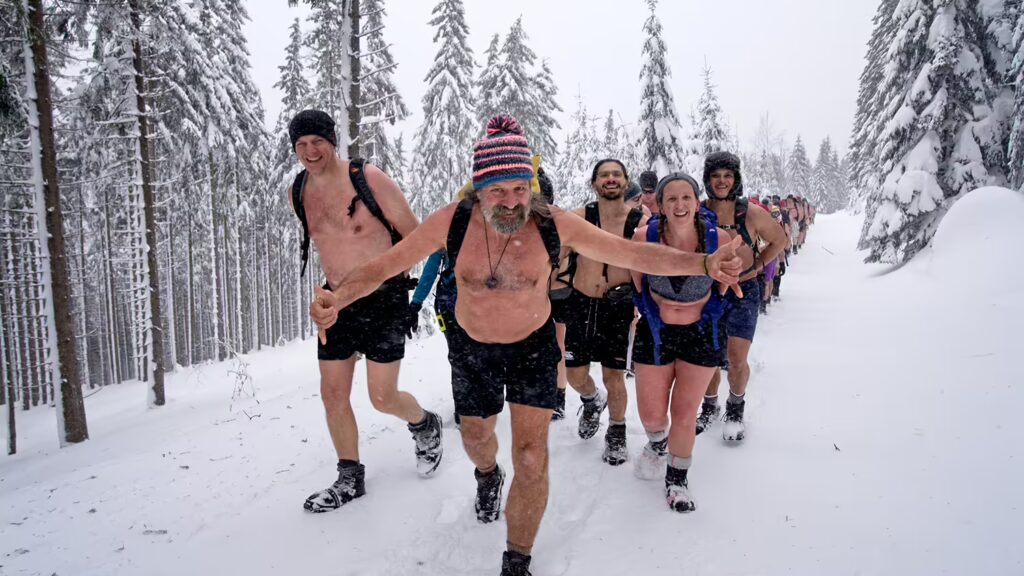
Read the study →Wim Hof is a Dutch extreme athlete, born on 20 April 1959 in Sittard in the south of the Netherlands. He is known as "The Iceman" and has set a string of records in the cold. In 2000 he swam 57.5 metres under ice, and in 2007 he ran a half marathon barefoot on snow near Oulu in Finland in 2 hours and 16 minutes. His longest ice bath, in 2011, lasted 1 hour and 52 minutes.
In 2007 he also tried to climb Mount Everest in shorts. He reached about 7,400 metres before a foot injury made him turn back. He says his method builds on tummo, a breathing and meditation practice that Tibetan monks use to keep warm, and he teaches it through courses, books and an app.
The method has three parts: breathing, cold and mindset. Most people start with the breathing:
Our step-by-step guide to Wim Hof breathing explains each step and why your fingers tingle. The cold part starts small: end your shower with 30 seconds of cold water, add a little each day, and work up to a short ice bath with someone else there.
Cold training at home
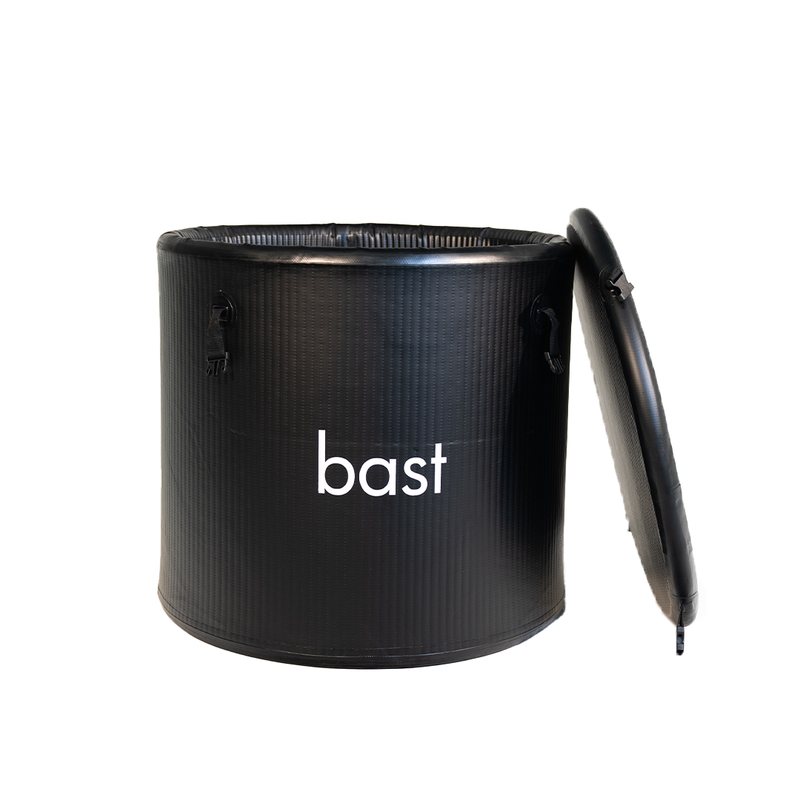
An ice bath for the garden or terrace, so you can plunge at home all year. Ships to the UK and Europe (not the US), with a 100-day satisfaction guarantee.
See the ice bath at Bast →Ad. We may earn a commission if you buy, at no extra cost to you.
The best-known study comes from Radboud University in the Netherlands (Kox et al., 2014). Twelve healthy volunteers trained in meditation, the breathing and cold for ten days, and twelve did not. Then everyone got an injection of bacterial toxin that causes flu-like symptoms. The trained group released more adrenaline, had a weaker inflammatory response and reported fewer symptoms.
In a Dutch trial with 3,018 adults, people who ended their daily shower with 30–90 seconds of cold water for a month had 29% less sickness absence from work than the control group (Buijze et al., 2016). They were not ill on fewer days, though.
A 2024 systematic review found nine papers on the method, from eight trials (Almahayni and Hammond, 2024). They suggest it may dampen inflammation, while the effect on exercise performance was mixed. The studies are few and small, so many of the claims about the method have not been tested.
For most healthy people the breathing is safe when they sit or lie down. The fast breathing lets you hold your breath longer than your body can really cope with, and you can pass out without warning. Several people have drowned after doing the breathing in or near water, so never do it in water, in the bath or while driving.
Wim Hof has also been criticised for saying the method can help with conditions such as rheumatoid arthritis, multiple sclerosis and cancer. The researchers who studied him warned against such claims. If you have heart disease, high blood pressure or epilepsy, or are pregnant, talk to a doctor before you try the breathing or ice baths. Never take an ice bath alone, and keep the first ones short.
The Wim Hof method has three parts: a breathing technique with 30–40 deep breaths and a breath hold, gradual training in the cold with cold showers and ice baths, and focus and willpower. It was created by the Dutch athlete Wim Hof.
Wim Hof is a Dutch extreme athlete known as "The Iceman". He was born on 20 April 1959 in Sittard in the Netherlands, so he turned 67 in 2026. He has set several records in the cold, including a barefoot half marathon on snow and long ice baths.
No. In 2007 he tried to climb Everest in shorts and reached about 7,400 metres, but turned back because of a foot injury. The summit is 8,849 metres.
Small studies suggest it can dampen inflammation, and in a Dutch trial cold showers gave 29% less sickness absence. The effect on exercise is mixed, and a 2024 review found only nine papers, so many claims about the method have not been tested.
For most healthy people the breathing is safe sitting or lying down. It can make you pass out, and several people have drowned doing it in or near water, so never do it in water, in the bath or while driving. Talk to a doctor first if you have heart disease, high blood pressure or epilepsy, or are pregnant.
Start gently and build up. If you have heart disease, high blood pressure or epilepsy, or are pregnant, talk to a doctor before you try the breathing or ice baths.
Learn the method at a weekend camp with his daughter Laura, with yoga, sauna, ice baths and more.
See the retreats →From short free courses of a few hours to deeper courses over several weeks.
See the courses →Join a winter or summer expedition, or use the Wim Hof app (iOS and Android) for daily breathing sessions.
Go to wimhofmethod.com →
A cold plunge triggers a strong stress response. What the research shows about mood, brown fat, blood sugar and recovery, the risks, and how to start.
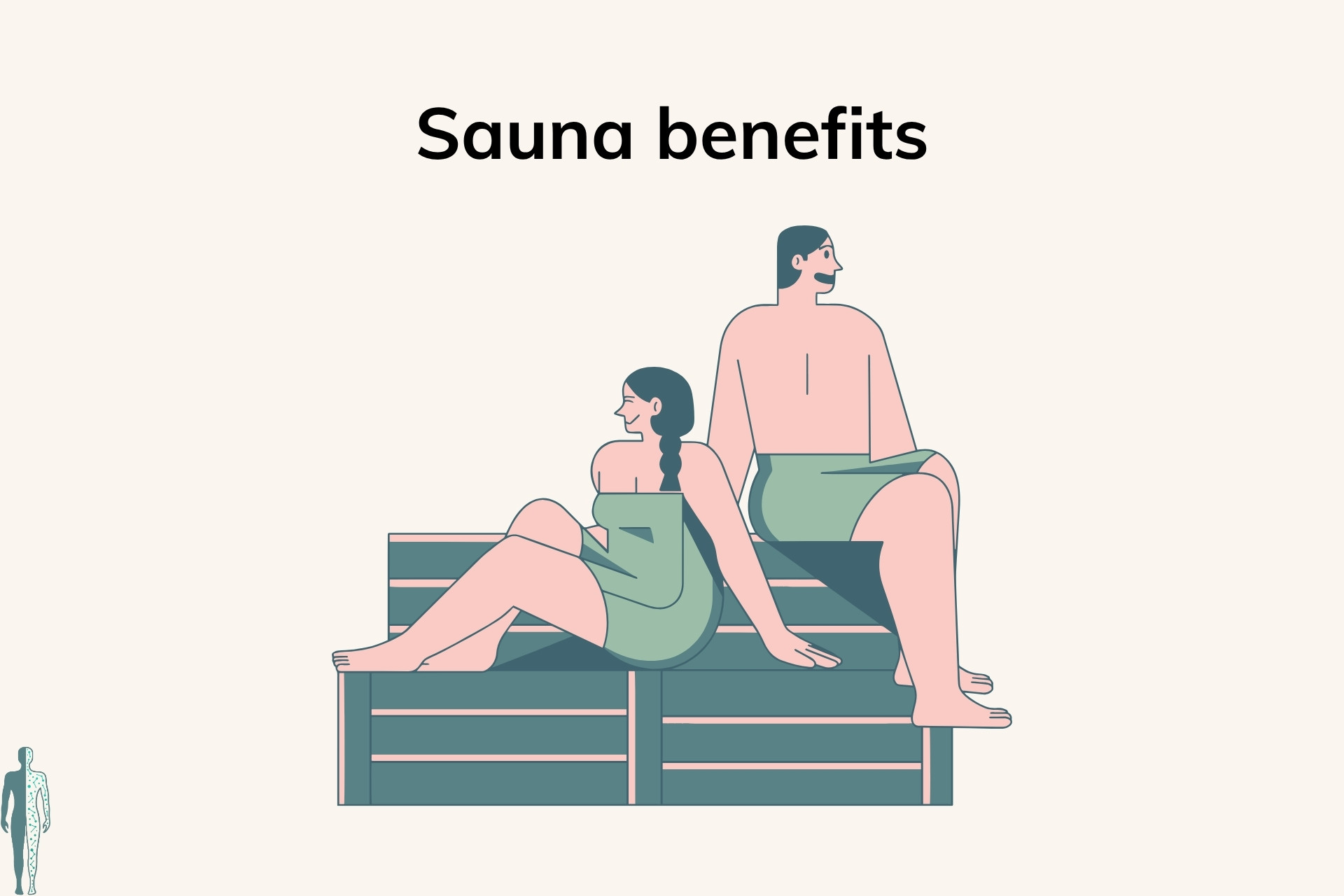
Regular sauna use is linked to a healthier heart, lower blood pressure and better endurance. Seven sauna benefits, what studies show, and how to start.
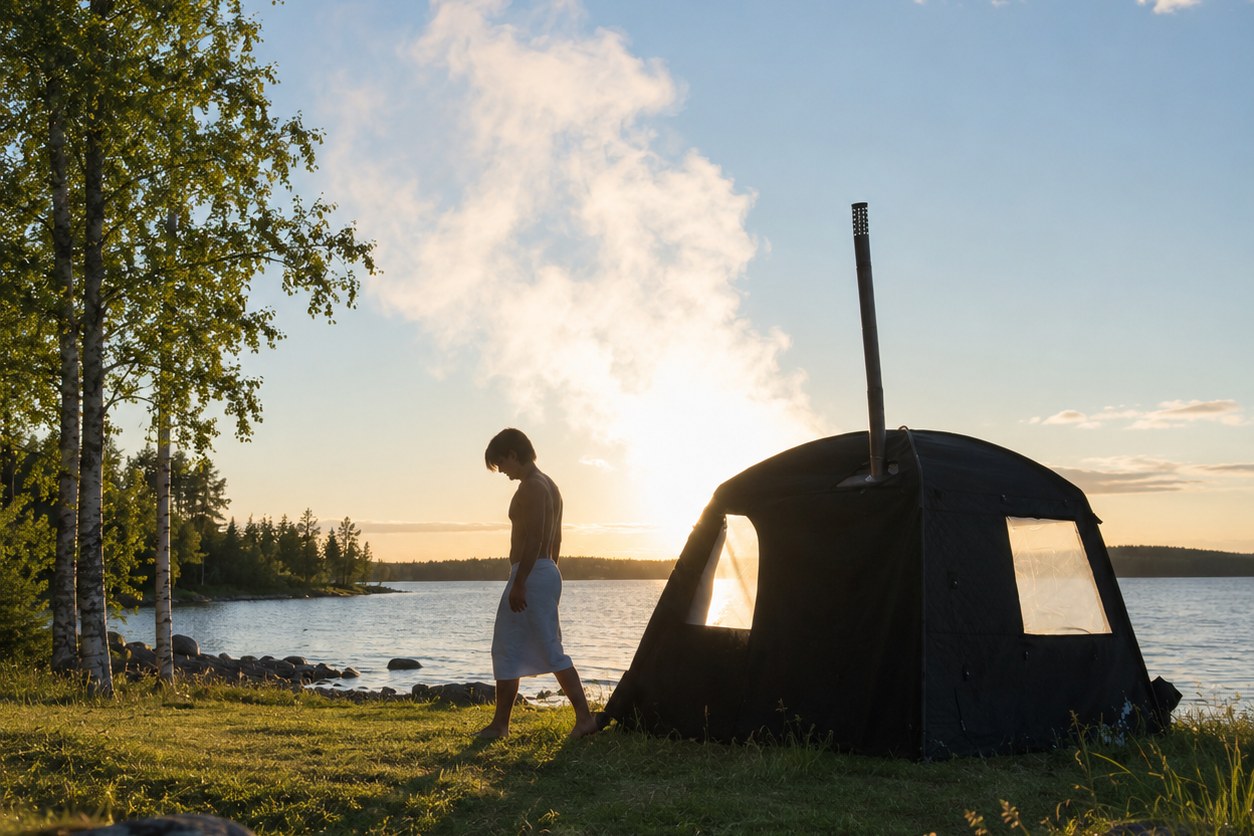
A sauna tent is a portable sauna with a wood stove inside. How hot it gets, how long it takes to set up, how it compares with other saunas, and safe use.
Biohacking means making small, deliberate changes to improve how your body and mind work. What it involves, the most common methods, and where to start.