Breathing
Wim Hof breathing: how to do it, and how to stay safe
By Kim Ingwersen · Published 13 October 2026
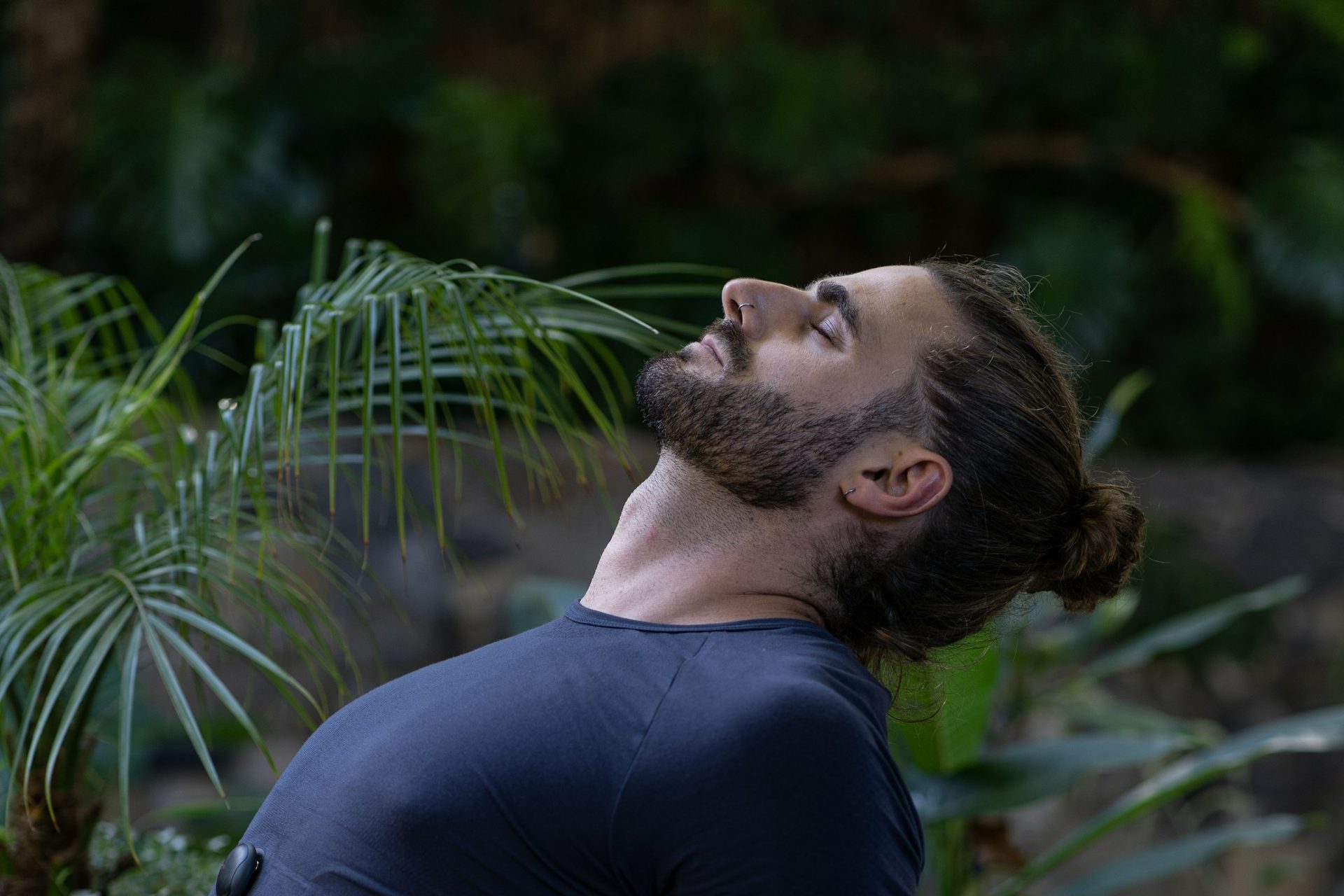
Wim Hof breathing is the breathing part of the method made famous by the Dutch “Iceman”, who has climbed snowy mountains in shorts and sat in ice for over an hour. The technique is simple and free, and many people use it as a morning routine. It also has real risks if you do it in the wrong place.
What is Wim Hof breathing?
The Wim Hof method has three parts: breathing, cold exposure and commitment. The breathing is a form of controlled hyperventilation followed by breath holds. You breathe in deeply and quickly for 30–40 breaths, let the air out and hold your breath for as long as feels comfortable, then take one deep recovery breath and hold it for 15 seconds.
You can read more about the man and the full method on our Wim Hof page.
How to do it, step by step
- Sit or lie down somewhere safe, on dry land. Loosen tight clothing. An empty stomach is best.
- Take 30–40 deep breaths. Breathe in fully through the nose or mouth, and let the air go without forcing it out. Keep a steady rhythm.
- Hold on the out-breath. After the last breath, breathe out and hold your breath with empty lungs for as long as feels comfortable. Many people manage one to two minutes after some practice.
- Take a recovery breath. When you feel the urge to breathe, breathe in deeply and hold for about 15 seconds. Then let go.
- Repeat for three or four rounds. Finish by breathing normally for a minute or two before you get up.
Tingling, light-headedness and a feeling of energy are normal. If you feel unwell, stop and breathe normally.
What happens in your body
Fast, deep breathing lowers the carbon dioxide in your blood and makes it slightly alkaline. That is why you get tingling hands and feel light-headed. During the breath hold, oxygen levels drop. The combination triggers a stress response with a rush of adrenaline.
The best-known study tested this. Twelve healthy men trained in the method for ten days, and twelve did not. Both groups were then injected with a bacterial toxin that normally causes flu-like symptoms. The trained group released more adrenaline, had more anti-inflammatory and less pro-inflammatory signalling, and had milder symptoms (Kox et al., 2014). It was a striking result, but in a small group of young men.
What the research shows, and doesn’t
A 2024 systematic review found eight trials of the Wim Hof method. The clearest signals were higher adrenaline and lower inflammatory markers. Results for exercise performance were mixed, and all the studies had a high risk of bias, mainly because they were small and lacked published protocols (Almahayni and Hammond, 2024).
So: the breathing reliably changes your physiology for a short while, and many people find it energising and calming. Claims that it cures illness, boosts the immune system in everyday life or improves performance are not proven.
Safety: the rules that matter
- Never in or near water. Hyperventilation lowers carbon dioxide, which is what normally tells you to breathe. You can run out of oxygen and black out without feeling any warning. In water that is called shallow water blackout, and it can be fatal. Don’t do the breathing before swimming, diving or a cold plunge, and never in a bath.
- Never while driving, standing or doing anything where fainting is dangerous. Sit or lie down.
- Talk to a doctor first if you are pregnant or have epilepsy, heart disease, high blood pressure or a history of fainting.
- Don’t force it. The breath holds should feel comfortable. This is not a competition.
Breathing and cold together
The method combines breathing with cold exposure, such as cold showers or ice baths. Do the breathing first, on dry land, then return to normal breathing before you get into cold water. Never hold your breath under water.
Bottom line
Wim Hof breathing is a free, simple practice that many people find calming and energising. Studies show short-term effects on adrenaline and inflammation, but the evidence is small and weak. Do it sitting or lying down, on dry land, and keep it well away from water.
Sources
- Kox et al. (2014): Voluntary activation of the sympathetic nervous system and attenuation of the innate immune response in humans, PNAS
- Almahayni and Hammond (2024): Does the Wim Hof Method have a beneficial impact on physiological and psychological outcomes in healthy and non-healthy participants? A systematic review, PLOS ONE
- Royal Life Saving Society UK: Shallow water blackout, hyperventilation and breath-holding
Frequently asked questions
What are the benefits of Wim Hof breathing?
In a small trial, people trained in the method released more adrenaline and had a weaker inflammatory response and fewer flu-like symptoms after an injection of bacterial toxin. Many people also say they feel calmer and more alert. A 2024 review found the studies promising but at high risk of bias.
How long should you do Wim Hof breathing?
One session is three to four rounds and takes about 10–15 minutes. Most people do it once a day, in the morning before breakfast.
Is Wim Hof breathing dangerous?
It is safe for most healthy people on dry land. It is dangerous in or near water, while driving or while standing, because hyperventilation followed by a breath hold can make you black out without warning. People who are pregnant or have epilepsy or heart problems should talk to a doctor first.
Why do I feel tingling during Wim Hof breathing?
Fast, deep breathing blows off carbon dioxide and makes your blood slightly alkaline. That causes tingling in the hands and face and light-headedness. It passes when you return to normal breathing.