Heat
Contrast therapy: how to combine sauna and cold plunge
By Kim Ingwersen · Published 13 October 2026
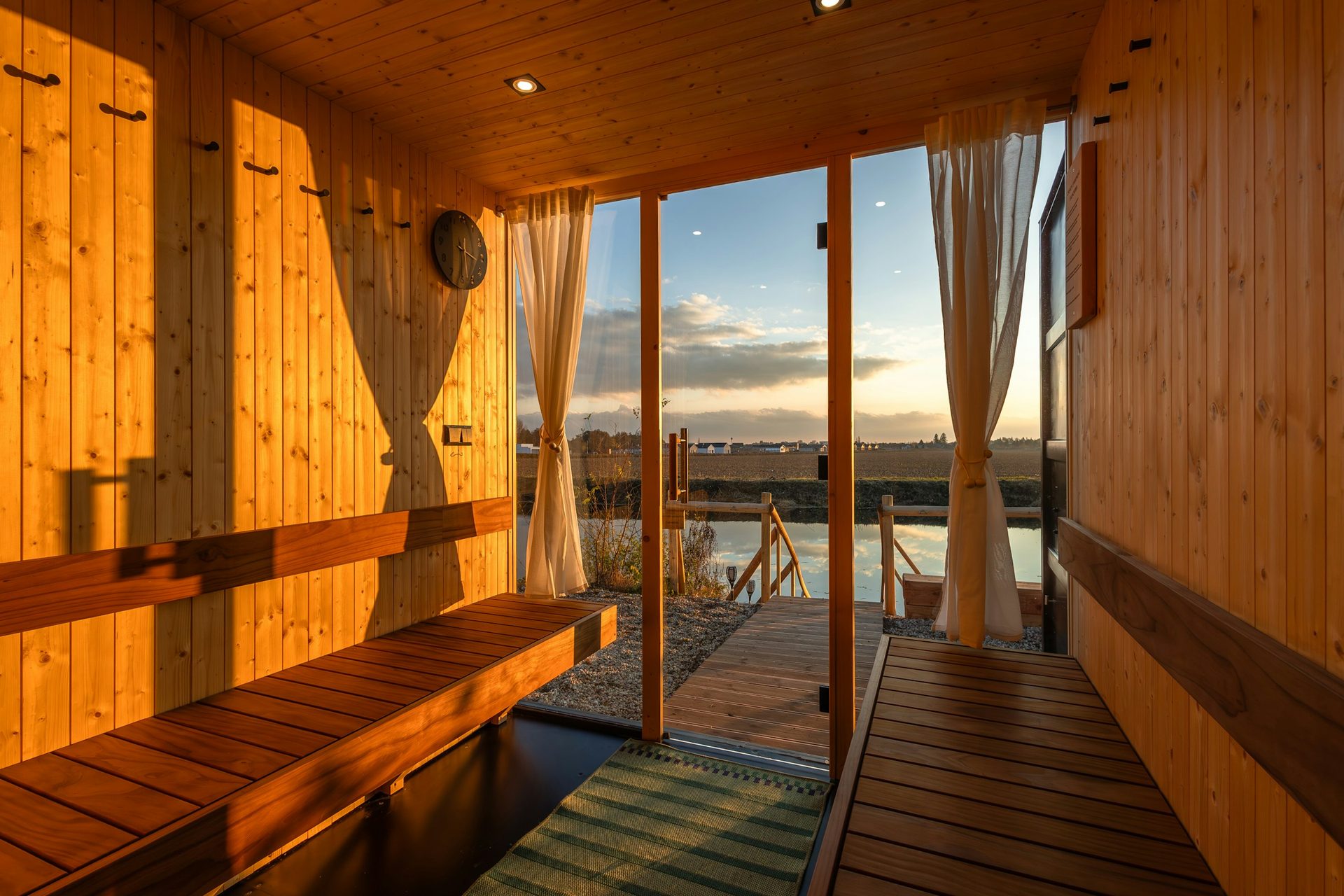
Contrast therapy is the old Nordic habit of going from a hot sauna into a cold lake, now packaged as a recovery and wellness routine. The idea is simple: alternate heat and cold a few times. Here is what the research shows, a routine you can follow, and the safety rules that matter.
What is contrast therapy?
Contrast therapy means switching between heat and cold in short rounds. The classic version is a sauna followed by a cold plunge, a lake or the snow. Hot and cold showers, or a hot tub and a cold tub, work the same way.
Heat widens your blood vessels and raises your heart rate. Cold narrows them and triggers a short stress response with a burst of noradrenaline. Switching between the two is often described as a pump for your circulation, though that idea is better explained than proven.
What the research shows
Less muscle soreness
A review of 18 trials found that contrast water therapy reduced muscle soreness after exercise more than passive rest, at every time point from a few hours up to four days (Bieuzen et al., 2013). Compared with cold water alone, compression or stretching, there was little difference. All the trials had a high risk of bias, so the size of the benefit is uncertain.
Winter swimmers and the sauna
A Danish study compared young men who regularly combined winter swimming with sauna to men who didn’t. The winter swimmers handled cold better and their bodies produced more heat when they were cold. The authors suggested that combining cold dips and sauna could be a way to increase energy expenditure (Søberg et al., 2021). It was a small study, and it doesn’t prove that contrast therapy helps with weight loss.
Each half has its own evidence. Regular sauna use is linked to better heart health in large Finnish studies, which we cover in sauna benefits. Cold water has its own effects on mood and alertness, covered in cold plunge benefits.
A simple contrast routine
- Heat: 10–15 minutes in a sauna at around 80–90 °C, or until you feel properly warm.
- Cold: 1–3 minutes in cold water. Start at 10–15 °C if you are new, and keep your head above water.
- Rest: 3–5 minutes. Sit down, breathe normally and let your heart rate settle.
- Repeat two or three times.
- Finish on cold or warm. Ending on cold makes your body warm itself up, which feels energising. Ending on warm is more relaxing, which suits the evening.
No sauna? Alternate 2–3 minutes of hot shower with 30–60 seconds of cold, two or three times.
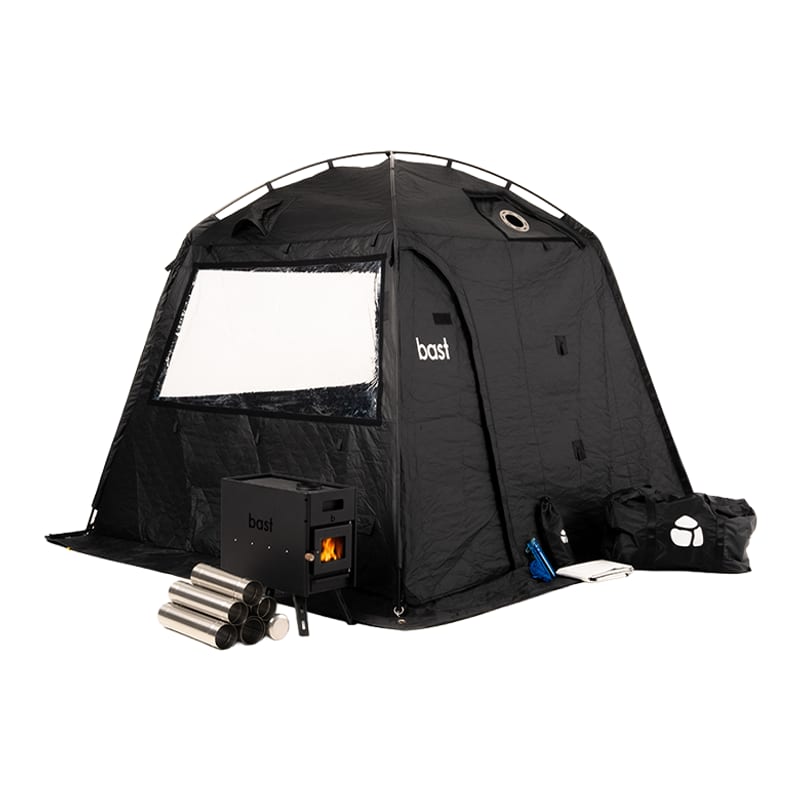
Sauna by the lake
Sauna tents from Bast
A wood-fired sauna you can put up in about 10 minutes, by a lake or in the garden next to a cold tub. Free shipping to the UK and Europe (not the US), and a 100-day satisfaction guarantee.
See the sauna tents at Bast →Ad. We may earn a commission if you buy, at no extra cost to you.
Safety first
- Heart and blood pressure. The switch between heat and cold puts real strain on your heart. If you have heart disease, high or low blood pressure, or are pregnant, talk to a doctor first.
- No alcohol. Alcohol and sauna is a dangerous mix, and it makes cold water more risky.
- Never alone in open water. Cold water can make you gasp and lose control of your breathing. Go in slowly, stay close to the edge and have someone with you.
- No breathing exercises in water. Don’t do Wim Hof breathing or hold your breath before or during a cold plunge. It can make you black out without warning.
- Get out when you feel numb or shaky, and warm up gradually afterwards. Your body temperature can keep falling for a few minutes after you get out.
Bottom line
Contrast therapy is a well-tested tradition with modest, real benefits for recovery, and many people simply feel great afterwards. Keep the rounds short, respect the cold, and never do it alone in open water.
Sources
- Bieuzen et al. (2013): Contrast water therapy and exercise induced muscle damage: a systematic review and meta-analysis, PLOS ONE
- Søberg et al. (2021): Altered brown fat thermoregulation and enhanced cold-induced thermogenesis in young, healthy, winter-swimming men, Cell Reports Medicine
Frequently asked questions
What are the benefits of contrast therapy?
The best-documented benefit is less muscle soreness after hard exercise. A review of 18 trials found that switching between hot and cold water reduced soreness more than resting, for up to four days. Many people also report better mood and energy, but that is less studied.
How long should you stay in the sauna and the cold plunge?
A common routine is 10–15 minutes in the sauna, 1–3 minutes in cold water, and a few minutes of rest, repeated two or three times. Start with shorter rounds and less cold water, and build up slowly.
Should you end contrast therapy on hot or cold?
Both work. Ending on cold makes your body warm itself up, which many people find energising. Ending on warm is more relaxing, which suits the evening.
Can I do contrast therapy at home without a sauna?
Yes. A hot shower followed by a cold shower is the simplest version. Alternate 2–3 minutes hot with 30–60 seconds cold, two or three times.