Supplements
Protein powder for women: do you need it, and which kind?
By Kim Ingwersen · Published 13 October 2026
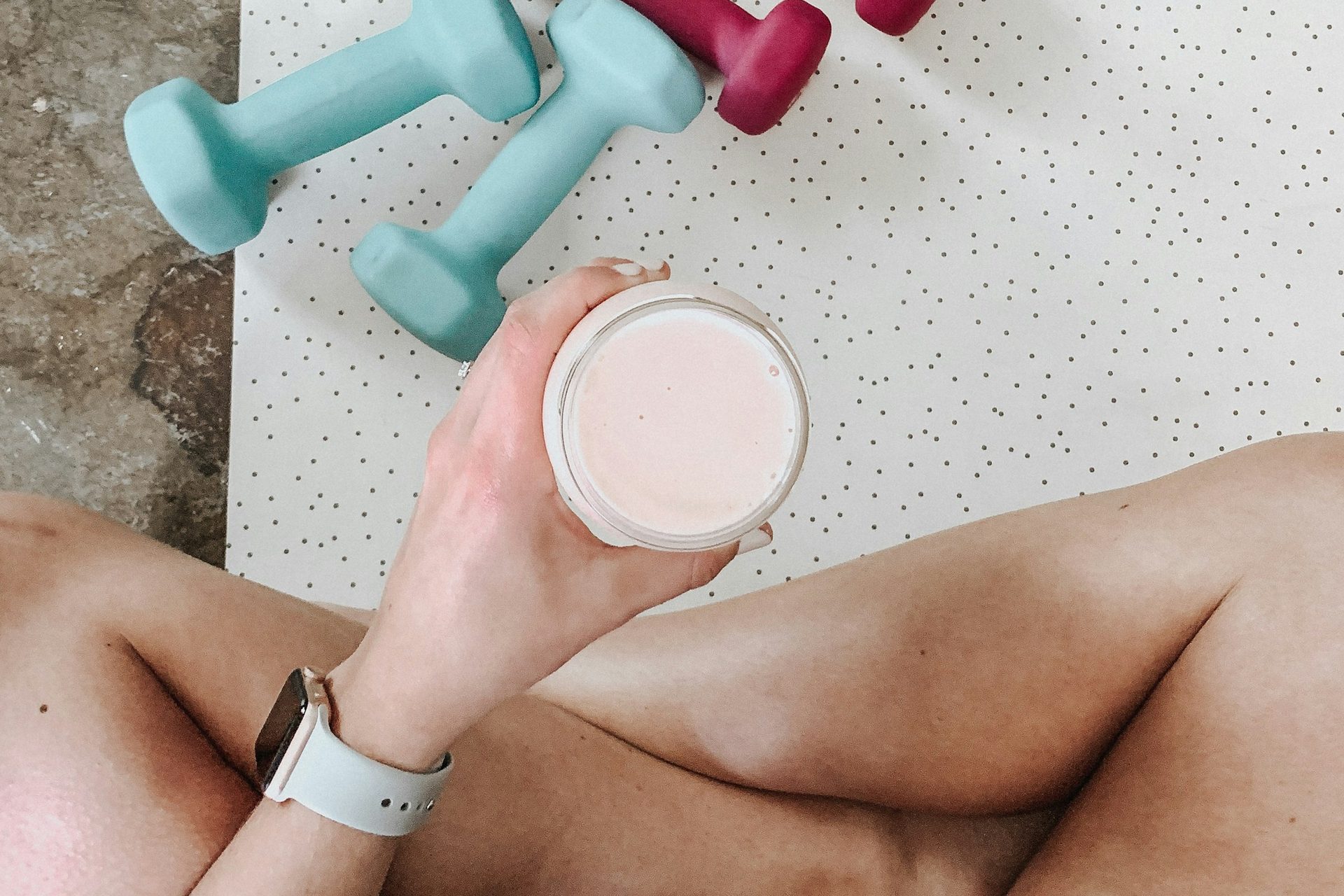
Protein powder used to be marketed to bodybuilders. Today it is one of the most common supplements among women, often sold in pink tubs with promises of toning and slimming. The truth is simpler. Protein powder is just protein, and whether it helps you depends on how much protein you already eat and what you want from it.
Do women need protein powder?
No one needs protein powder. You can get all the protein you need from food. But many women eat less protein than is ideal, especially at breakfast and lunch, and a shake is a quick way to close the gap.
Protein needs depend on how active you are. The minimum to avoid deficiency is 0.8 grams per kilogram of body weight per day. For people who exercise, the International Society of Sports Nutrition recommends 1.4–2.0 g/kg (Jäger et al., 2017). For a woman who weighs 65 kg and trains regularly, that is roughly 90–130 grams a day.
What protein powder does, and doesn’t do
A meta-analysis of 49 trials found that protein supplements during strength training gave slightly larger gains in strength and lean mass. The benefit levelled off at a total protein intake of about 1.6 g/kg per day, and was smaller in older adults (Morton et al., 2018).
In other words: the training does most of the work. Protein powder helps if you are not already eating enough protein, and adds little if you are.
- It won’t make you bulky. Building visible muscle takes months of hard training, and women have far less testosterone than men.
- It can help with weight loss, because protein keeps you full and helps you keep muscle while you lose fat. It only helps if the shake replaces other food.
- It matters more with age. Muscle mass falls from midlife, and strength training with enough protein is the best way to slow that down.
Types of protein powder
- Whey comes from milk. It is a complete protein, digests quickly and is rich in leucine, the amino acid that switches on muscle building. It is the best-studied option. Whey isolate contains very little lactose.
- Casein also comes from milk, but digests slowly. Some people take it in the evening.
- Plant protein from pea, rice, soy or hemp works well, especially in blends such as pea and rice that complement each other.
- Collagen is popular for skin and joints, but it is an incomplete protein and a poor choice for building muscle.
There is no need for powders marketed specifically to women. They are usually ordinary protein with added sweeteners, herbs or “fat burners” you don’t need.
Watch out for heavy metals
In 2025, Consumer Reports tested 23 protein powders and shakes. More than two-thirds contained more lead in a single serving than its experts consider safe for a whole day. Plant-based products contained on average nine times as much lead as dairy-based ones (Consumer Reports, 2025).
Protein powders are not tested by regulators before they are sold. To reduce the risk:
- Choose products that are third-party tested, for example with the NSF Certified for Sport or Informed Sport label.
- Prefer dairy-based powders if you tolerate them.
- Use protein powder a few times a week rather than several times a day, and get most of your protein from food.
How to use it
- One scoop of 20–30 grams of protein is a good serving.
- Timing matters less than the total. A shake after training is convenient, but your daily intake is what counts.
- Make it a meal by blending it with milk or yoghurt, frozen berries and oats.
- Pregnant or breastfeeding? Food is the best source of protein. Talk to your doctor or midwife before using powders, and avoid products with added herbs.
Protein is one of the supplements we look at in biohacking supplements, alongside creatine, which also works well for women who train.
Bottom line
Protein powder is a convenient way for women to get enough protein, not a magic toning product. Choose plain whey or a plant blend that is third-party tested, use it to fill a gap in your diet, and combine it with strength training to get the real benefits.
Sources
- Jäger et al. (2017): International Society of Sports Nutrition position stand: protein and exercise, Journal of the International Society of Sports Nutrition
- Morton et al. (2018): A systematic review, meta-analysis and meta-regression of the effect of protein supplementation on resistance training-induced gains in muscle mass and strength in healthy adults, British Journal of Sports Medicine
- Consumer Reports (2025): Protein powders and shakes contain high levels of lead
Frequently asked questions
Will protein powder make women bulky?
No. Building visible muscle takes months of hard strength training and enough food, and women have far less testosterone than men. Protein powder helps you recover and keep muscle, but it doesn't add bulk on its own.
Can protein powder help women lose weight?
It can help indirectly. Protein keeps you full for longer and helps you keep muscle while you lose fat. But a shake adds calories, so it works best as a replacement for a snack, not on top of everything else you eat.
What is the best protein powder for women?
For most women, a plain whey protein or a whey isolate from a third-party tested brand. If you avoid dairy, choose a plant blend such as pea and rice. There is no need for powders marketed specifically to women.
Is collagen a good protein powder?
Not for muscle. Collagen is an incomplete protein that lacks the amino acid tryptophan and is low in leucine, the amino acid that drives muscle building. Use whey or a plant blend if your goal is strength or muscle.