Diet
Glucose Revolution: the 10 hacks, and what the science says
By Kim Ingwersen · Published 13 October 2026
Glucose Revolution, published in 2022 by French biochemist Jessie Inchauspé, turned blood sugar into a mainstream topic. Its message is simple: you don’t need to give up the foods you love, just change how you eat them so your blood sugar rises and falls more gently. Here are the 10 hacks, and what the research says about them.
The idea behind the book
When you eat carbohydrates, your blood sugar (glucose) rises. Inchauspé argues that big spikes followed by dips leave you tired, hungry and craving sugar, and that over time they drive inflammation, ageing and disease. She wore a continuous glucose monitor herself and built the hacks from studies and her own experiments.
You can read more about her and her work on our Jessie Inchauspé page.
The 10 hacks
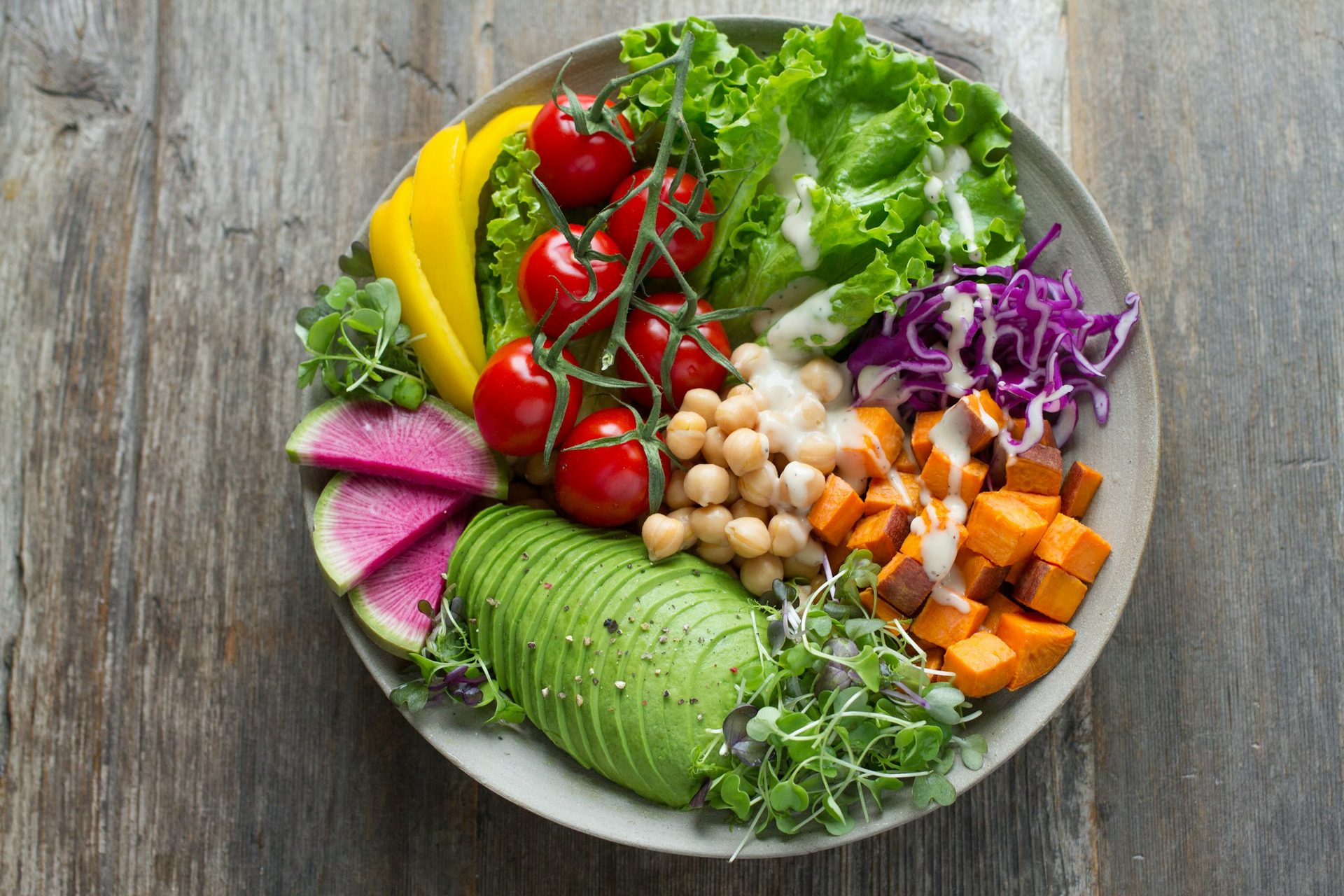
- Eat foods in the right order: vegetables first, then protein and fat, carbohydrates last.
- Add a green starter to all your meals, such as a small salad or vegetables.
- Stop counting calories. Focus on how food affects your glucose instead.
- Flatten your breakfast curve with a savoury breakfast built on protein, instead of a sweet one.
- Have any type of sugar you want. Honey, maple syrup and table sugar have similar effects.
- Pick a dessert over a sweet snack. Sugar after a meal causes a smaller spike than on an empty stomach.
- Have vinegar before you eat, for example a tablespoon in a glass of water.
- After you eat, move. A 10-minute walk is enough.
- If you have to snack, go savoury.
- Put some clothes on your carbs: pair them with protein, fat or fibre.
What the science says
Food order: good support
In a small crossover study of people with type 2 diabetes, eating vegetables and protein before the carbohydrates in the same meal lowered the rise in blood sugar by about 73 % compared with eating the carbohydrates first (Shukla et al., 2015). Only 11 people took part, and they all had diabetes.
Vinegar: modest support
A meta-analysis of controlled trials found that vinegar with a meal lowered the rise in blood sugar and insulin afterwards (Shishehbor et al., 2017). The effect was moderate, and strongest with high-carb meals. Dilute it in water and use a straw if you drink it every day, because the acid is hard on teeth.
Walking after meals: good support
A meta-analysis found that breaking up sitting with short bouts of light walking lowered blood sugar after meals more than sitting still, and more than standing breaks (Buffey et al., 2022). Even a few minutes helps, and a 10–15 minute walk is easy to add to your day.
The rest: sensible, less tested
A savoury breakfast, dessert after a meal instead of a sweet snack, and pairing carbs with protein or fibre all fit with what we know about how food is digested. They have less direct evidence, but they are low-risk habits. “Stop counting calories” is the hack to be careful with: calories still matter for weight, even if focusing on glucose can make eating less easier.
Where the book goes too far
Blood sugar rises after every meal in healthy people, and comes back down. That is normal. The strongest evidence for flattening spikes comes from people with diabetes or prediabetes. For healthy people, it is not proven that smaller spikes lead to better long-term health, and the book sometimes presents a hypothesis as a fact.
That doesn’t make the hacks useless. Most of them push you towards more vegetables, more protein and more movement after meals, which are good habits for a better diet anyway.
Bottom line
Glucose Revolution is a practical, easy-to-follow book. Food order, vinegar and walking after meals have the best support. If you have prediabetes or diabetes, the hacks can make a real difference, and you should discuss them with your doctor. If you are healthy, treat them as simple ways to eat more vegetables and feel steadier, not as a cure.
Sources
- Shukla et al. (2015): Food order has a significant impact on postprandial glucose and insulin levels, Diabetes Care
- Shishehbor et al. (2017): Vinegar consumption can attenuate postprandial glucose and insulin responses: a systematic review and meta-analysis of clinical trials, Diabetes Research and Clinical Practice
- Buffey et al. (2022): The acute effects of interrupting prolonged sitting time in adults with standing and light-intensity walking on biomarkers of cardiometabolic health: a systematic review and meta-analysis, Sports Medicine
Frequently asked questions
What is the Glucose Revolution diet?
It isn't a diet with banned foods. It is 10 habits that aim to make your blood sugar rise and fall more gently: eat vegetables first and carbs last, have a savoury breakfast, add vinegar, move after meals and pair carbs with protein, fat or fibre.
Does the Glucose Goddess method work?
Some of the hacks clearly lower blood sugar spikes after a meal. Eating vegetables and protein before carbs, a tablespoon of vinegar and a short walk after eating all have support from small trials. Whether that improves long-term health in people without diabetes is less clear.
Who is Jessie Inchauspé?
Jessie Inchauspé is a French biochemist and author known as the Glucose Goddess. Glucose Revolution was published in 2022 and became an international bestseller.
Is it bad to have glucose spikes?
Large, frequent spikes are a problem in diabetes and prediabetes. In healthy people, blood sugar naturally rises after meals and comes back down. Very big swings may cause tiredness and cravings, but the long-term risk for healthy people is still debated.