Light
SAD lamp: how to use a light therapy lamp for winter blues
By Kim Ingwersen · Published 13 October 2026
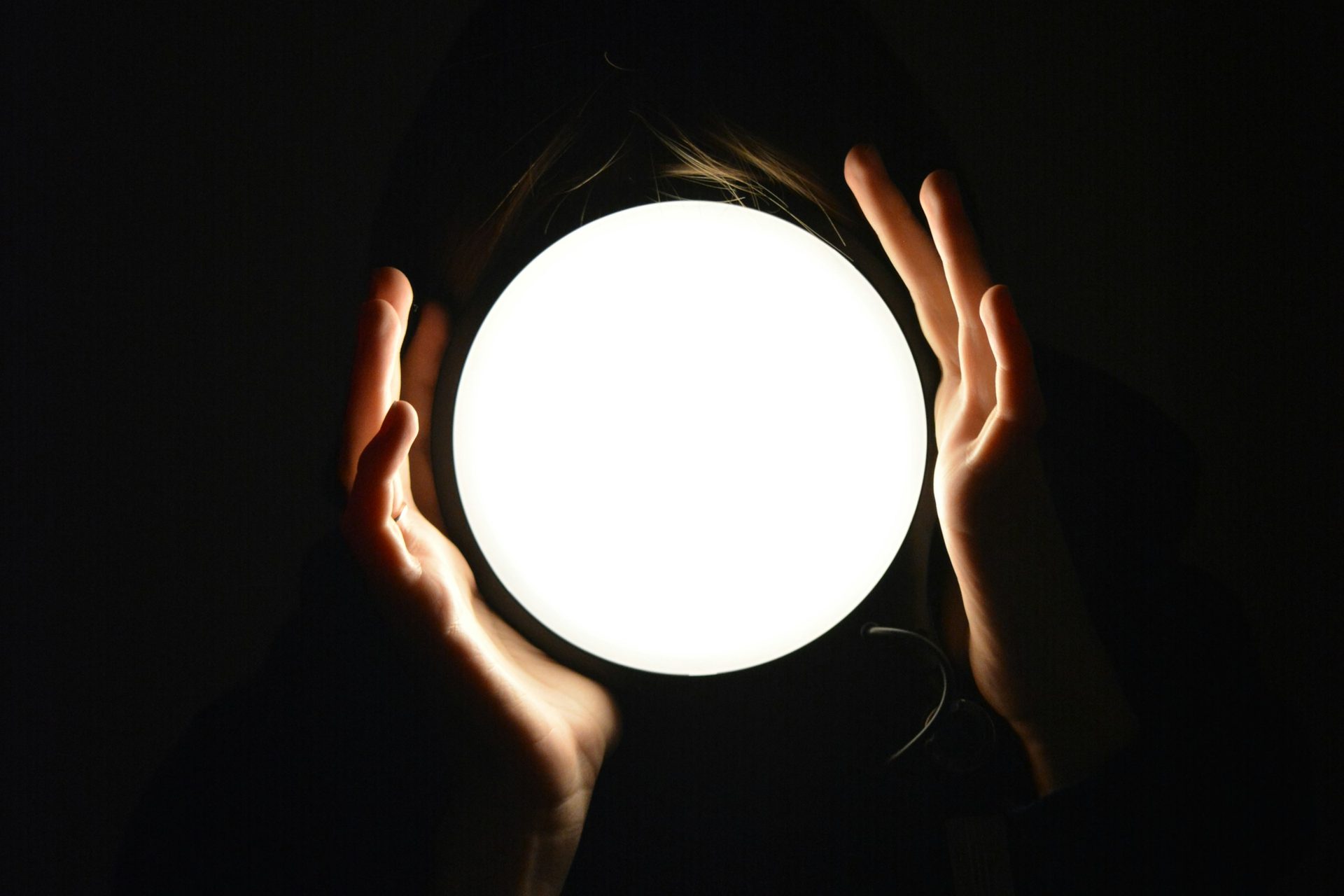
Short, grey winter days leave many people tired, low and craving carbs. For some, it develops into seasonal affective disorder (SAD), a form of depression that comes back every winter. A SAD lamp, also called a light box or light therapy lamp, is one of the simplest things you can try. Here is what it does, what the evidence says, and how to use one properly.
What is a SAD lamp?
A SAD lamp is a bright light, usually 10,000 lux, that you sit in front of in the morning. For comparison, an ordinary living room is around 100–300 lux, while daylight outside on a clear day is tens of thousands of lux. Good lamps filter out ultraviolet (UV) light, so they don’t tan or damage the skin.
The light works through your eyes, not your skin. Bright light in the morning tells your internal clock that the day has started, which helps regulate sleep, mood and energy.
Does it work?
For seasonal depression, the evidence is fairly good. A meta-analysis in the American Journal of Psychiatry found that bright light reduced symptoms of SAD with an effect size similar to that seen in antidepressant trials (Golden et al., 2005). Dawn simulators, which gradually brighten the bedroom before you wake up, also helped.
Light may also help depression that isn’t seasonal. In an eight-week trial with 122 adults, 30 minutes of 10,000 lux each morning worked better than placebo, and combining light with an antidepressant gave the best results (Lam et al., 2016).
The NHS is more cautious. It says light therapy is not usually available on the NHS because there is not enough evidence to tell how effective it is, but that many people find it helps their symptoms (NHS).
How to use a SAD lamp
- Morning, soon after waking. Use it within the first hour after you get up. Late-day use can push your body clock later and make it harder to fall asleep.
- 20–30 minutes at 10,000 lux. With a weaker lamp, or if you sit further away, you need more time.
- Follow the distance. The lux rating only applies at the distance the manufacturer gives, often 30–60 cm. Light drops quickly as you move away.
- Don’t stare into it. Place it slightly to the side, at an angle, and read, eat breakfast or work while it is on.
- Every day through the dark months. Start in early autumn if you know winters are hard for you, and keep going until spring.
Most people notice a difference within one to two weeks. If nothing has changed after four weeks, talk to a doctor.
What to look for when you buy one
- 10,000 lux at a stated distance. A lamp that only gives the lux at a few centimetres is not as bright as it sounds.
- UV-free. The light should be filtered for UV.
- A large surface. A bigger light panel is more comfortable and gives you more freedom to move.
- A safety mark. In the UK, the NHS advises a lamp with a UKCA or CE mark.
You don’t need a special blue light lamp. White light works and is easier on the eyes.
Side effects and who should be careful
Side effects are usually mild: headache, eye strain, nausea or feeling on edge. They often go away if you sit a little further away or shorten the session.
Talk to a doctor before you start if you have bipolar disorder, because bright light can trigger mania, or if you have eye disease or take medicines that make you sensitive to light. If your low mood is severe, or you have thoughts of harming yourself, get help from a doctor straight away. A lamp is not a replacement for treatment.
Get daylight too
A lamp is a tool for dark mornings, not a reason to stay indoors. Even a cloudy winter day outside is brighter than most indoor lighting. A 20-minute walk in the morning light is one of the best habits for energy in winter.
Bottom line
A SAD lamp is cheap, safe for most people and backed by decent evidence for seasonal depression. Use 10,000 lux for 20–30 minutes soon after waking, every day through the dark months, and give it a couple of weeks. Check with a doctor first if you have bipolar disorder or eye problems.
Sources
- Golden et al. (2005): The efficacy of light therapy in the treatment of mood disorders: a review and meta-analysis of the evidence, American Journal of Psychiatry
- Lam et al. (2016): Efficacy of bright light treatment, fluoxetine, and the combination in patients with nonseasonal major depressive disorder: a randomized clinical trial, JAMA Psychiatry
- NHS: Seasonal affective disorder (SAD) – treatment
Frequently asked questions
How long should you sit in front of a SAD lamp?
About 20–30 minutes a day at 10,000 lux, within the first hour after waking. With a weaker lamp you need longer. Most people notice a difference within one to two weeks.
What time of day should I use a SAD lamp?
In the morning, soon after you wake up. Morning light helps set your body clock. Using it late in the day can make it harder to fall asleep.
Do SAD lamps really work?
For seasonal depression, yes for many people. A meta-analysis found an effect similar to antidepressant trials. The NHS notes that the evidence is limited, but that many people find light therapy helps.
Can you use a SAD lamp every day?
Yes. Most people use it every morning from autumn until spring. Stop and talk to a doctor if you get headaches, feel agitated or sleep much less than usual.